ART & BODY CULTURE
BEYOND
THE SKIN.
The body as artwork, language and a territory of expression
Explore the archive01 / Manifesto
The body as artwork, language and a territory of expression
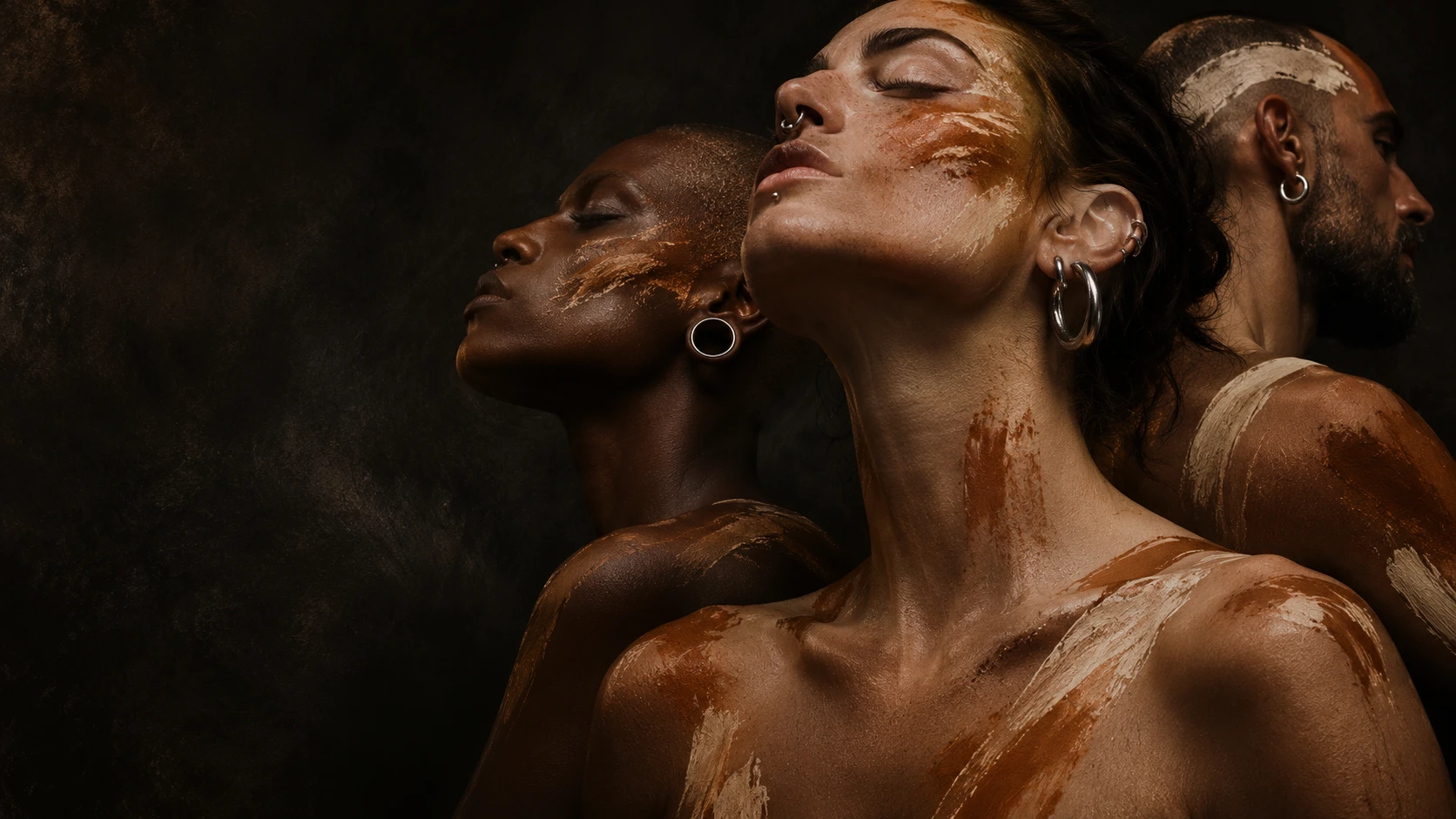
Before galleries and museums, the human body was already a place for images. Pigments, perforated shells, ornaments, tattoos and transformations of shape span time and the world, but they do not tell a single story: every gesture belongs to the people and societies that created it.
BEYOND THE SKIN is an editorial atlas of the arts of the body. It brings archaeology, anthropology, art history, community accounts and contemporary performance into dialogue. The journey begins with prehistoric traces and reaches new artistic practices, distinguishing evidence, hypotheses and interpretations.
The body is not only the site of the artwork. Sometimes it is its author, its material and its memory.
Six pathways
ORIGINS
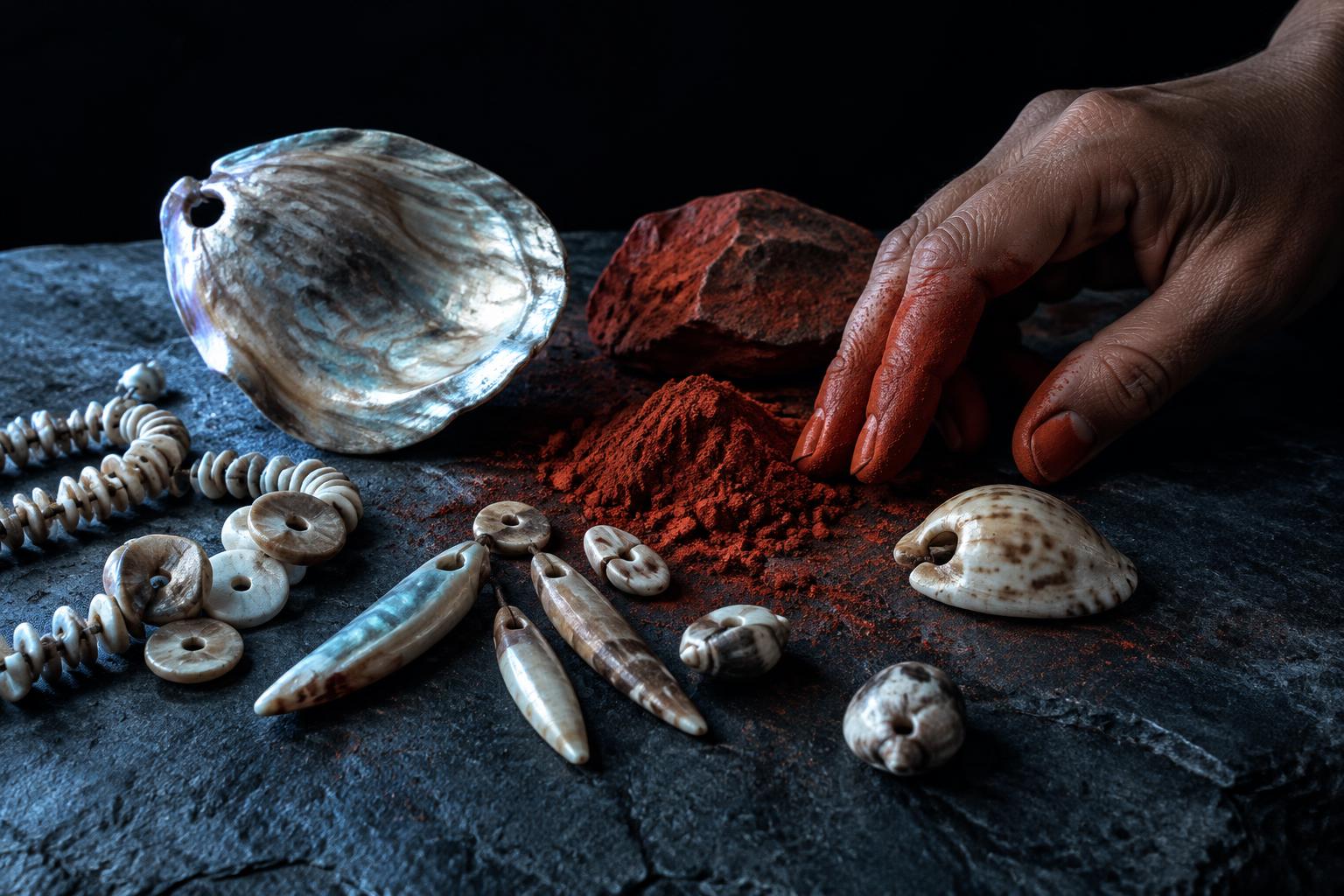
The earliest traces: shells, pigments and ornamentation.
2 / Archive

PAINTING & RITUAL
Color, movement and ephemeral art in documented cultural contexts.
4 / Archive
TATTOOING & MEMORY
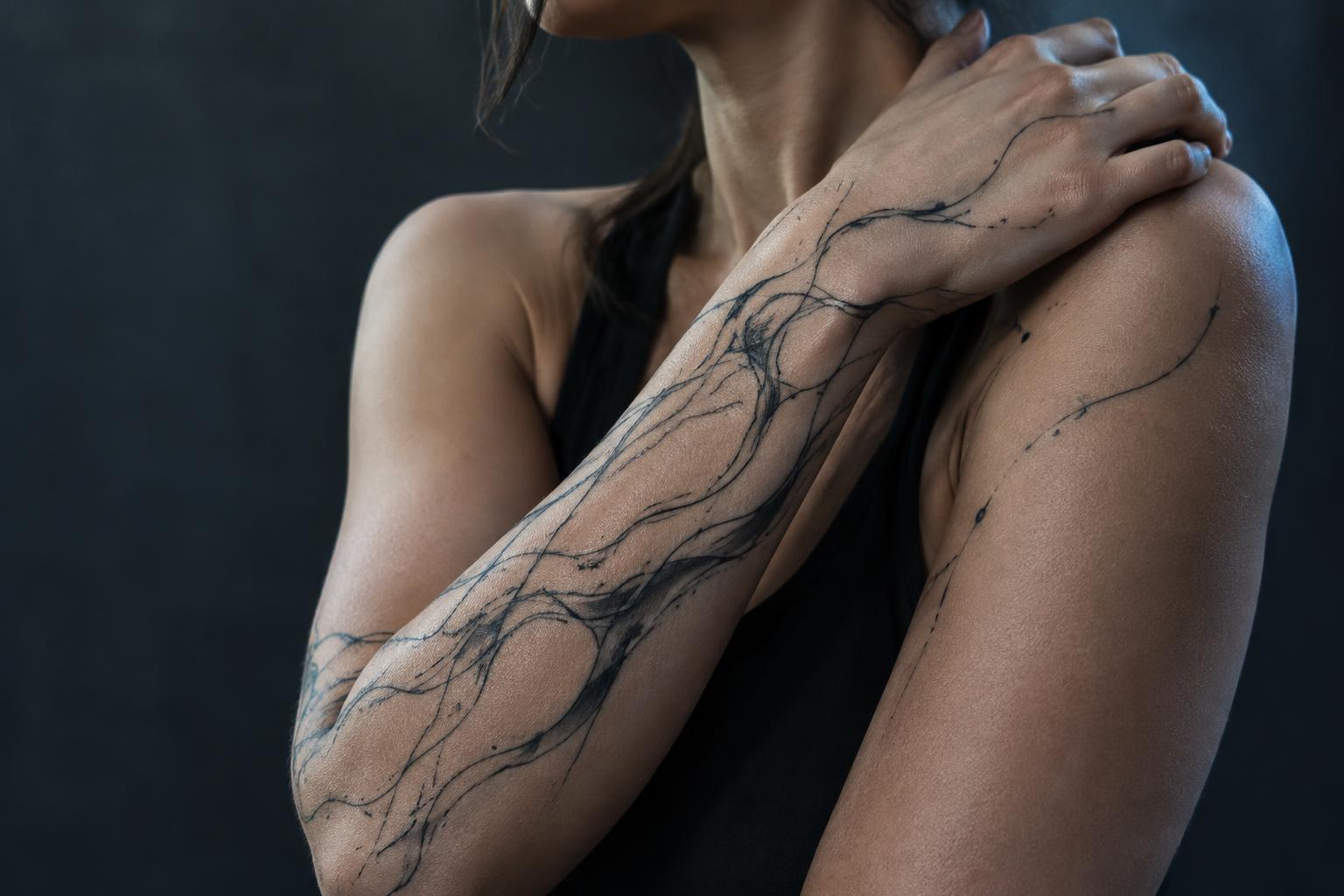
Permanent marks, identities and traditions around the world.
4 / Archive

MODIFIED BODIES
Piercing, labret, scarification and transformations of shape.
3 / Archive
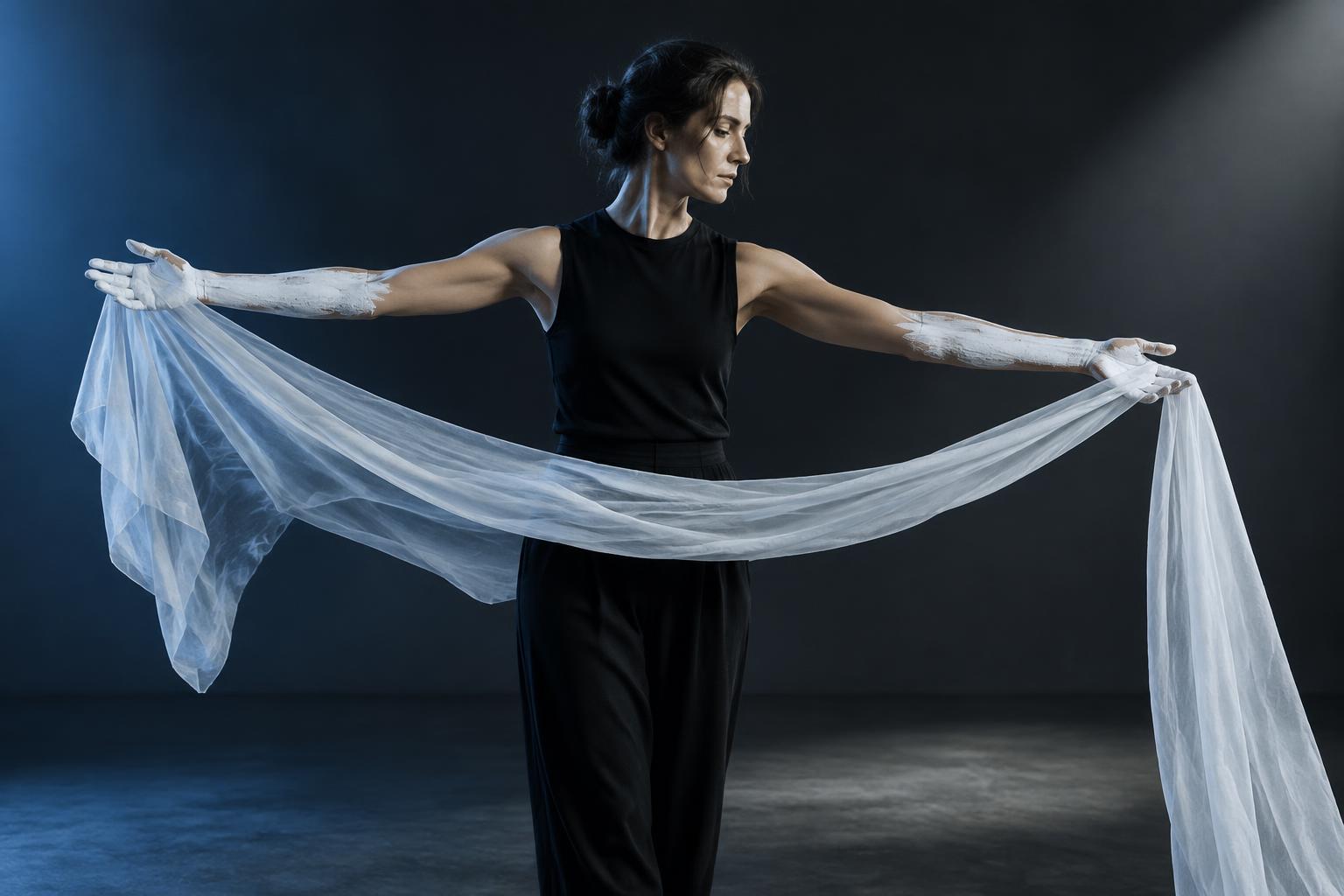
ART & PERFORMANCE
The emergence of contemporary body art and its protagonists.
3 / Archive
METHODS & PERSPECTIVES
How bodily practices are studied, how sources are read and how living cultures are respected.
1 / Archive
AI-generated editorial image, not documentary.
02 / BEYOND THE SKIN
Archive
17 / 17
Before the canvas: the body in prehistory
Perforated shells, pigments and the limits of what we can truly know.
Africa, Europe, Asia
Pleistocene
Boncuklu Tarla: when ornament passes through the skin
An Anatolian Neolithic site and the difference between wearing and inserting jewelry.
Anatolia, Türkiye
Pre-Pottery Neolithic
Color on the body: from ochre to living languages
Pigment as material, aesthetic gesture and cultural belonging.
Africa, Australia, the Americas
Prehistory–present
Pataxó: body painting as memory and resistance
A living tradition told by the people who safeguard it.
Brazil
Contemporary
Scarification in Africa: marks, art and identity
Sculptural evidence, cultural differences and the risks of generalization.
West and Central Africa
Historical–contemporary
Preserved skin: Egypt, Ötzi and the Altai
What changes when tattoos are documented directly on the body.
Egypt, the Alps, Siberia
Copper Age–antiquity
Oceania: tatau, tā moko and genealogies of the mark
Samoa, Aotearoa and the Marquesas Islands without flattening distinct practices.
Pacific
Historical and present-day traditions
Batok and fatek: tattooing in the Philippine Cordilleras
An art connected to age, memory, gender and contemporary transformations.
Philippines, northern Luzon
Historical–present
The sculpted word: labrets and ornaments in Mesoamerica
Between power, ritual and the ability to speak through jewelry.
Mexico and Mesoamerica
Pre-Hispanic era
Mehndi: the art that disappears from the skin
Temporary decoration between ritual, aesthetics and celebration on the Indian subcontinent.
South Asia
Historical traditions–present
Shaping the body: modifications, ideals and constraints
From skull shape to bound feet: beauty, belonging and power.
Global; China as a historical case
Prehistory–20th century
The body enters the museum: 20th-century body art
From happenings to performance, when the artwork is a physical presence.
Europe, Japan, the Americas
1950s–1980s
Ana Mendieta: the body that leaves an imprint
Earth, memory, absence and return in earth-body works.
Cuba, United States, Mexico
1970s–1980s
Yoko Ono: who decides the boundaries of the body?
Cut Piece, 1964: a performance about action, the gaze and consent.
Japan, United States
1964–1965
An incomplete atlas: how to tell the story of body art without appropriating it
Geographies, terminology and the responsibilities of research.
Global
Editorial method
The Arctic: tattooing as returning heritage
Art, memory and the revival of Inuit and circumpolar traditions.
North American Arctic
Historical–present
Tiwi Islands: painting, dance and ceremonial memory
When the decorated body is part of a broader artistic system.
Australia, Tiwi Islands
Historical–present
03 / ART & BODY CULTURE
One timeline, many histories
around 142,000 years ago / Morocco
Perforated shells from Bizmoune
ornament, not proof of tattooing or piercing
around 73,000 years ago / South Africa
Shell beads from Blombos
possible body ornaments
Pre-Pottery Neolithic / Anatolia
Ear and lip ornaments from Boncuklu Tarla
interpretation based on the burial context
around 3300 BC / Alps
Ötzi and preserved tattoos
does not coincide with the invention of tattooing
around 1850–1750 BC / Egypt
Female figure with depicted tattoos
figurative representation
5th century BC / Altai
Pazyryk figurative tattoos
some of the evidence is on mummified remains
14th–16th century / Mesoamerica
Mexica gold labret
prestige objects in specific contexts
1959 / United States
Allan Kaprow's happenings
date referring to the movement's historical designation
1964 / Japan
Yoko Ono, Cut Piece
documented performance
1973–1980 / United States and Mexico
Ana Mendieta, Silueta Series
series of works and actions
1980s–present / Pacific
Revival of numerous tattooing traditions
different processes across communities
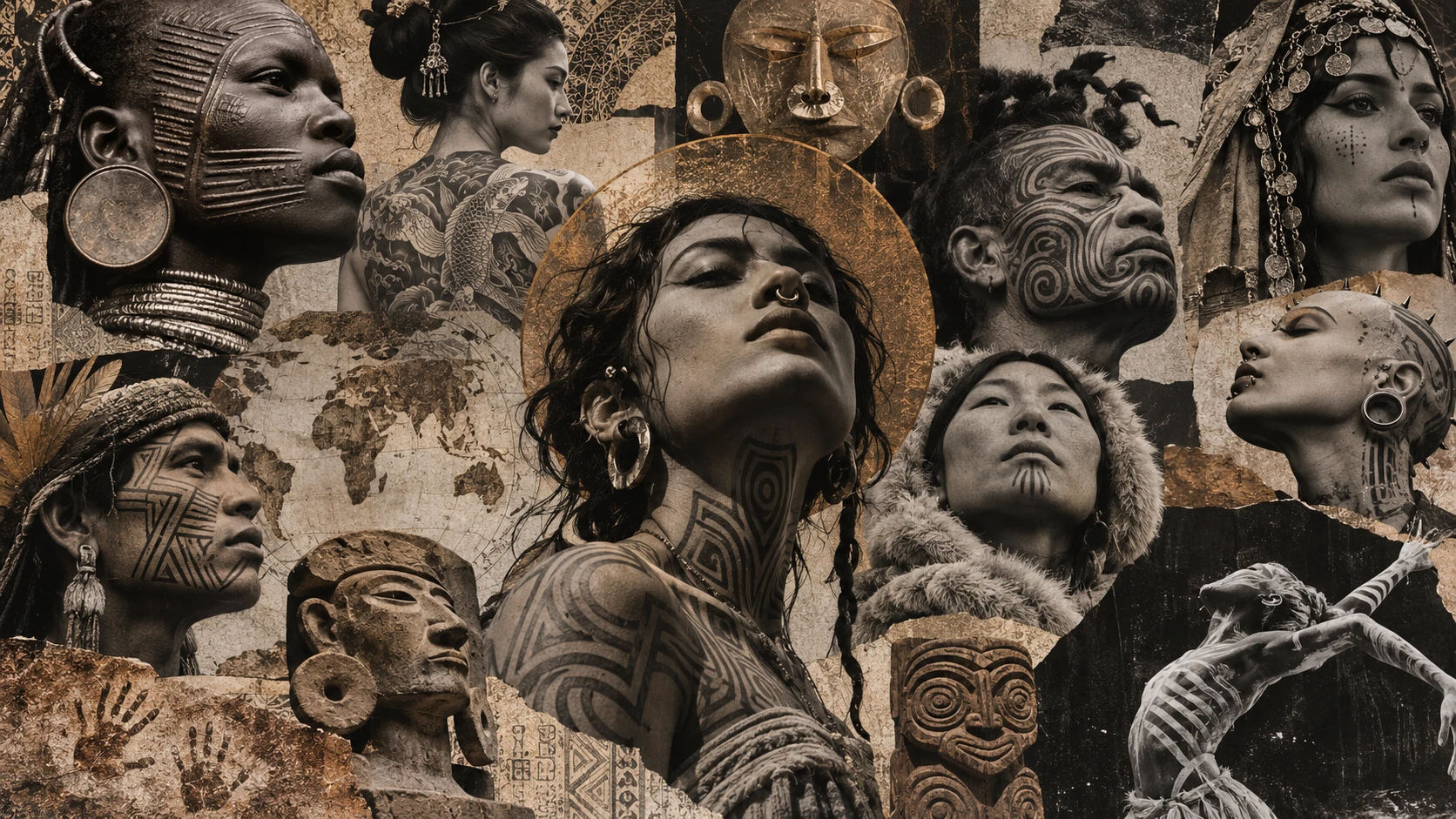
The map is not the territory
The articles do not treat the world's cultures as stages in an evolution toward contemporary fashion. They do not assign universal meanings to similar symbols or treat Indigenous communities as belonging only to the past.
Each article distinguishes what is documented from what is hypothesis or interpretation. The images in this section are original, interpretive creations: they do not represent artifacts, rituals or historical evidence.
The next chapter
The atlas will grow with new monographs on artists, authors and traditions. Not to enclose the history of the body in a collection, but to give readers many doors through which to enter it.