01 / Manifesto
An ancient gesture, many stories
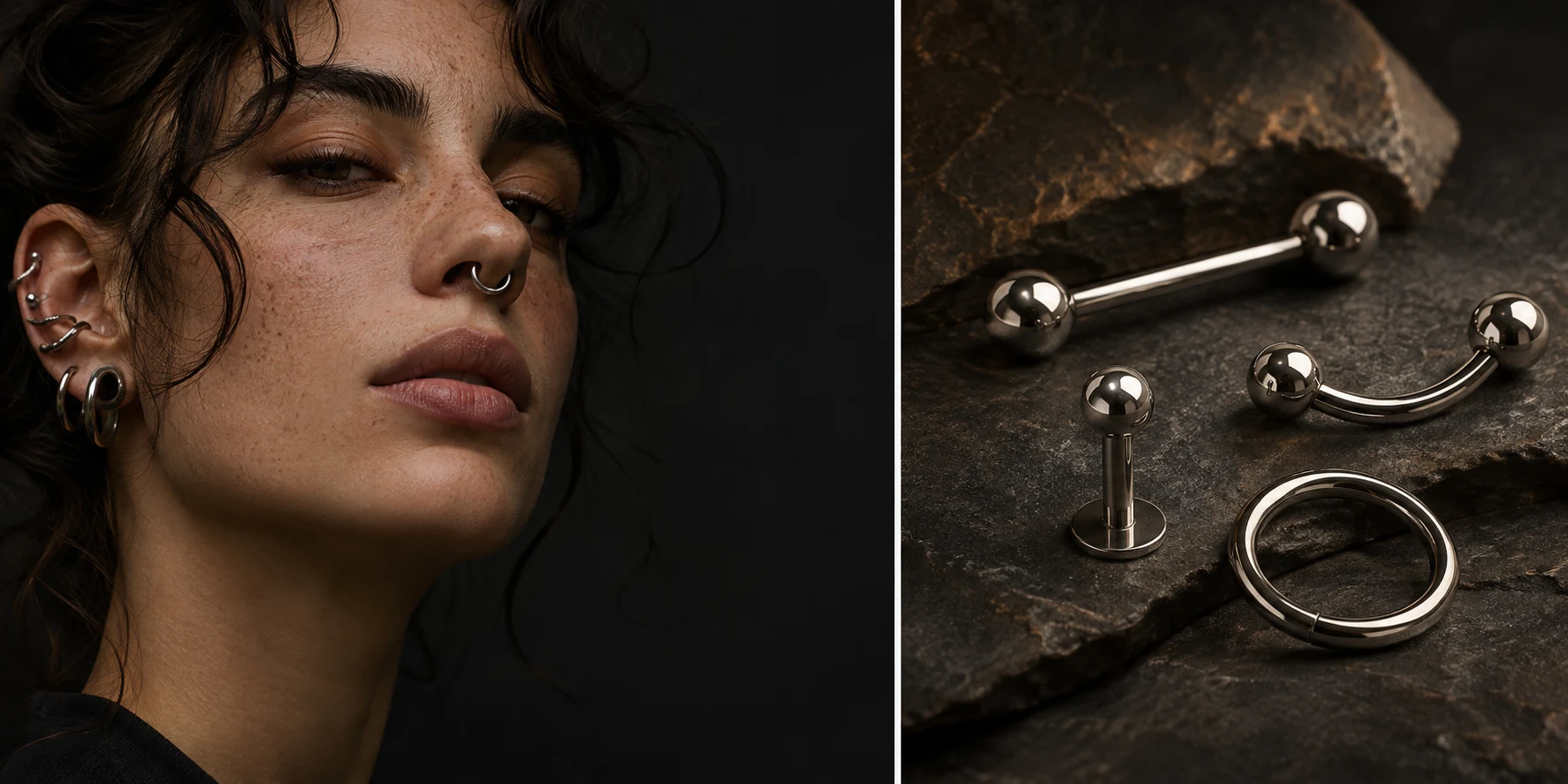
A small ornament can cross several worlds. It can be the sign of an identity, an object made with extraordinary precision, a personal aesthetic choice or evidence of a ritual. Piercing is a meeting point between the body and material culture: its forms change, meanings transform, techniques evolve.
BODY LANGUAGE was created to explore these connections. From archaeological documentation to contemporary jewelry, from materials science to the history of countercultures, each subject is approached through research, objects and images. Without invented mythologies, without nostalgia for a uniform past, without confusing an aesthetic interpretation with a scientific fact.
Not everything called piercing has the same history. A ceremonial Mexica labret, a traditional ear ornament and a contemporary titanium jewel can enter into dialogue in our archive, but they belong to different contexts that deserve to be described precisely.
Seven perspectives
01—07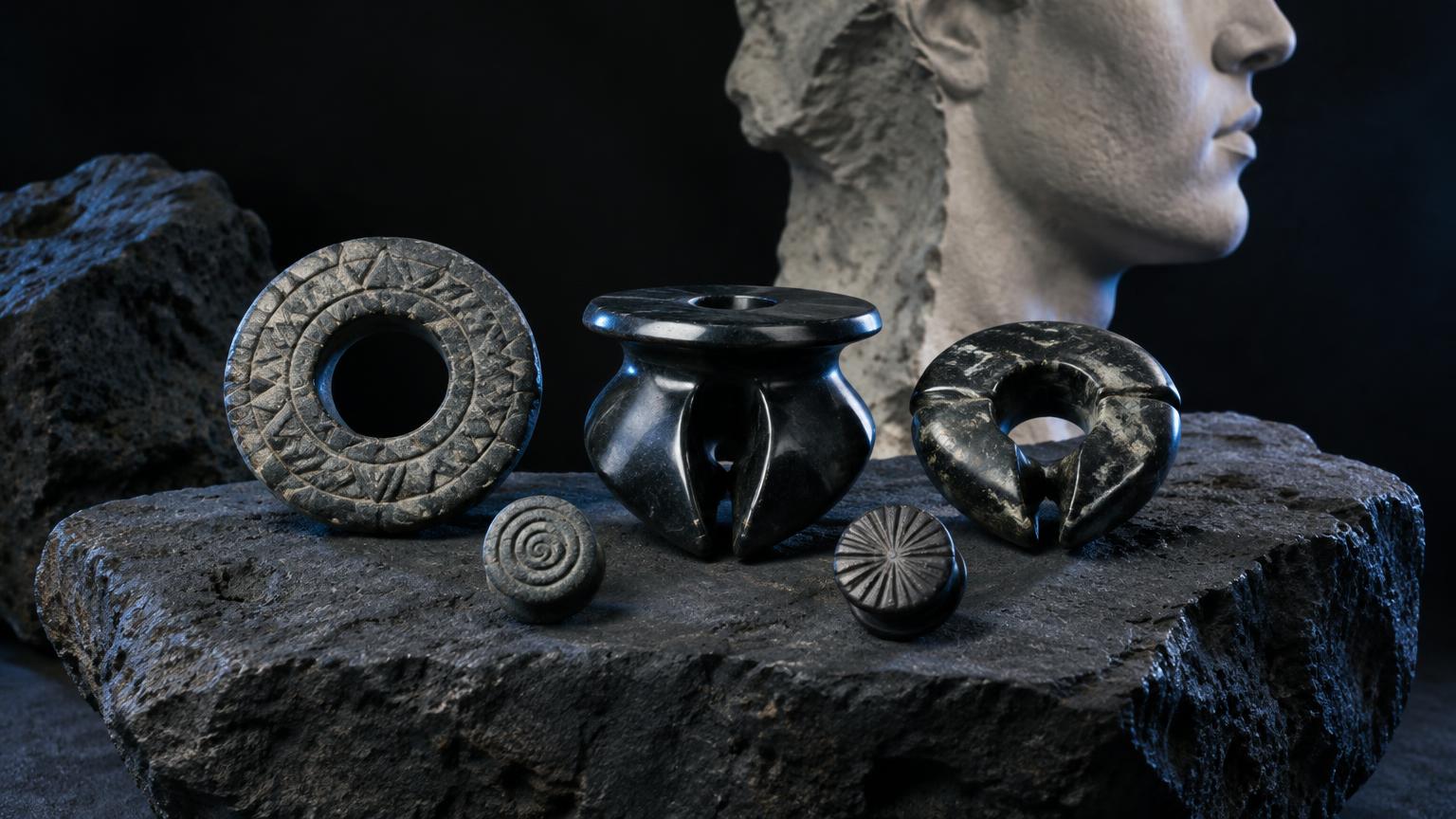
The origins of the gesture
The traces of body adornment through artifacts, images and accounts: practices, rituals, affiliations and cultural differences.

The body as a statement
How contemporary piercing has moved through countercultures, fashion and personal ways of interpreting one's own body.
The language of jewelry
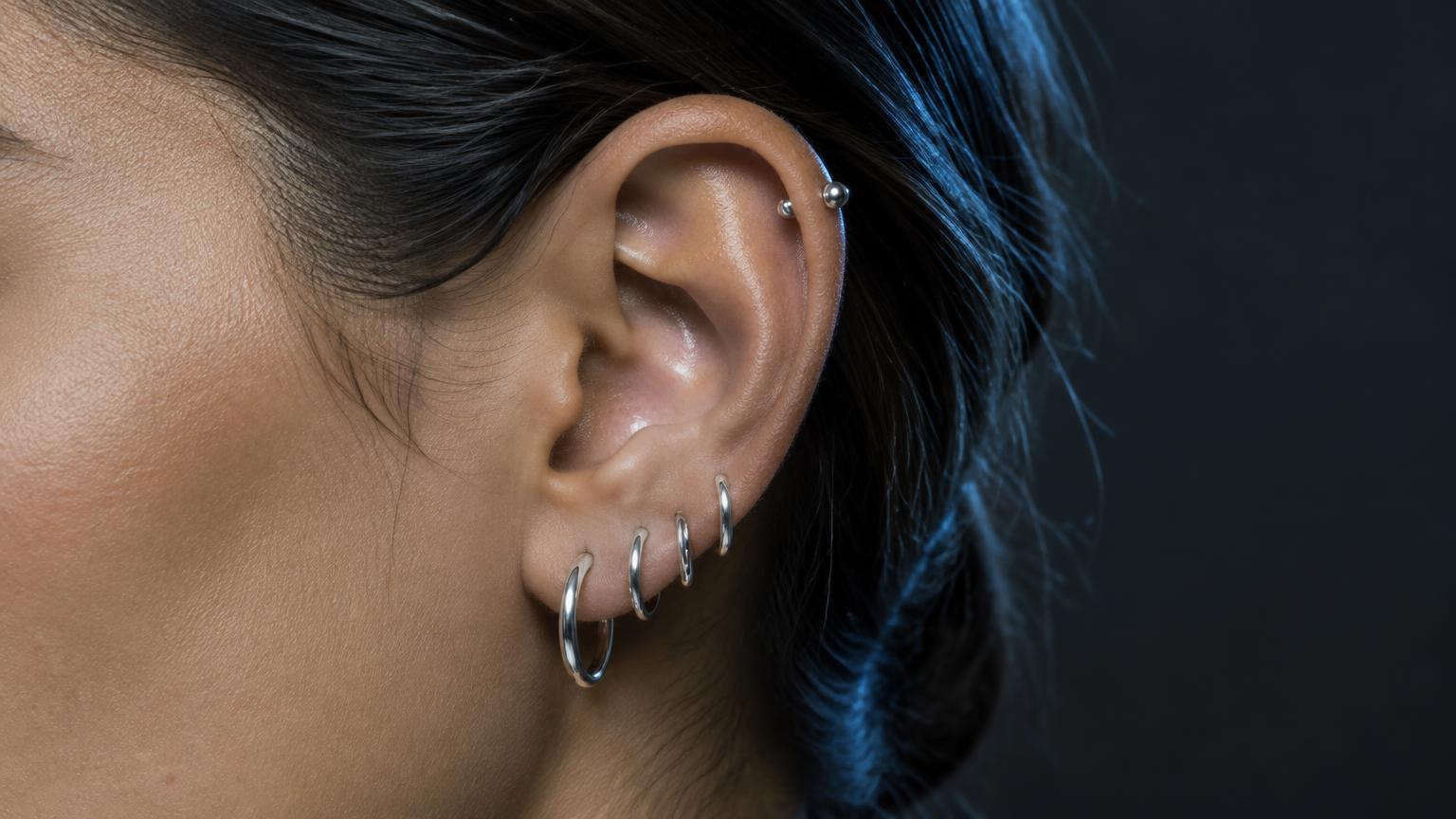
Shapes, proportions and compositions: jewelry as a design object and as a visual choice.
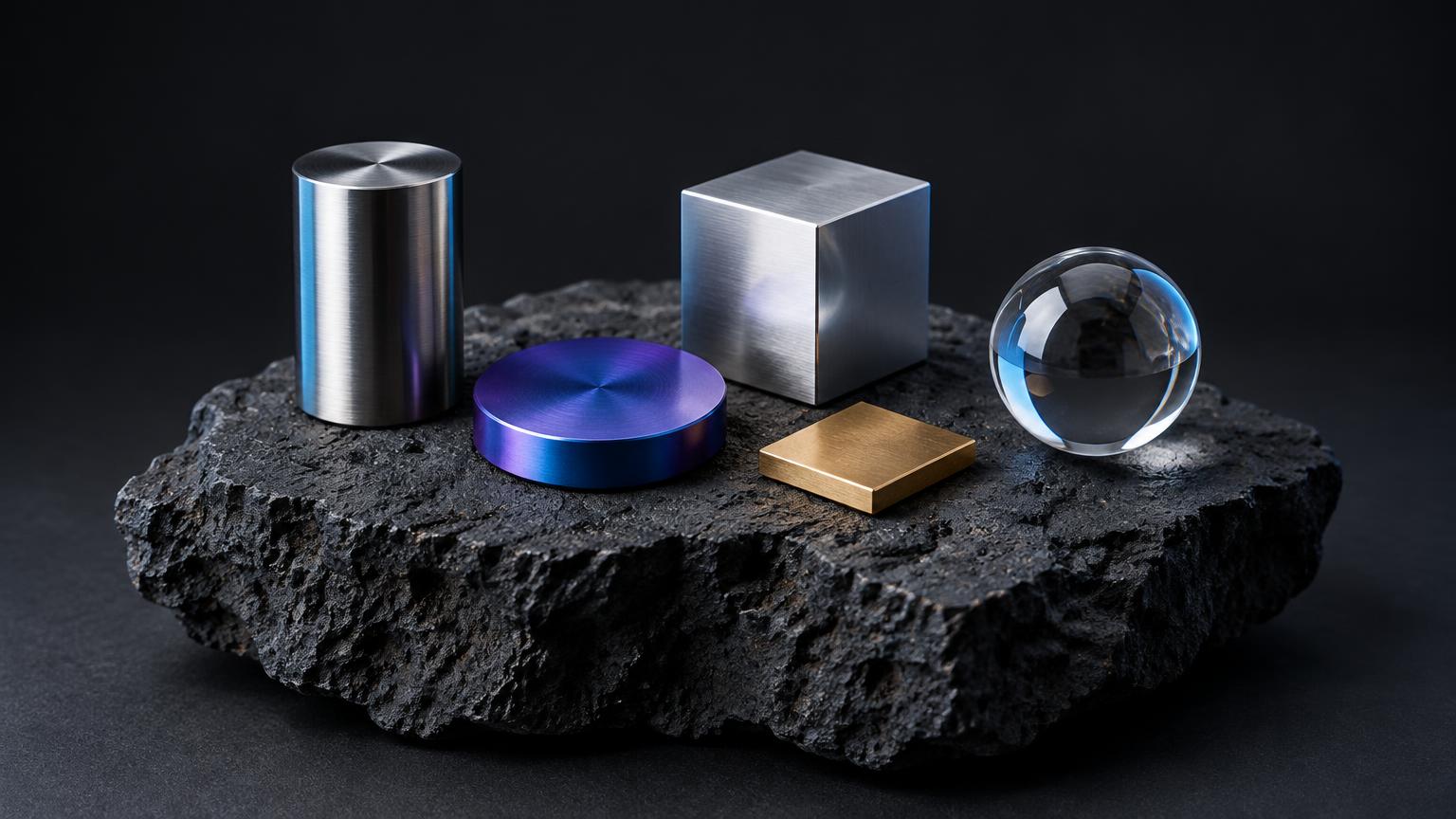
The science of materials
Titanium, steel, niobium, gold and other materials: compositions, standards, limits and properties that truly matter.
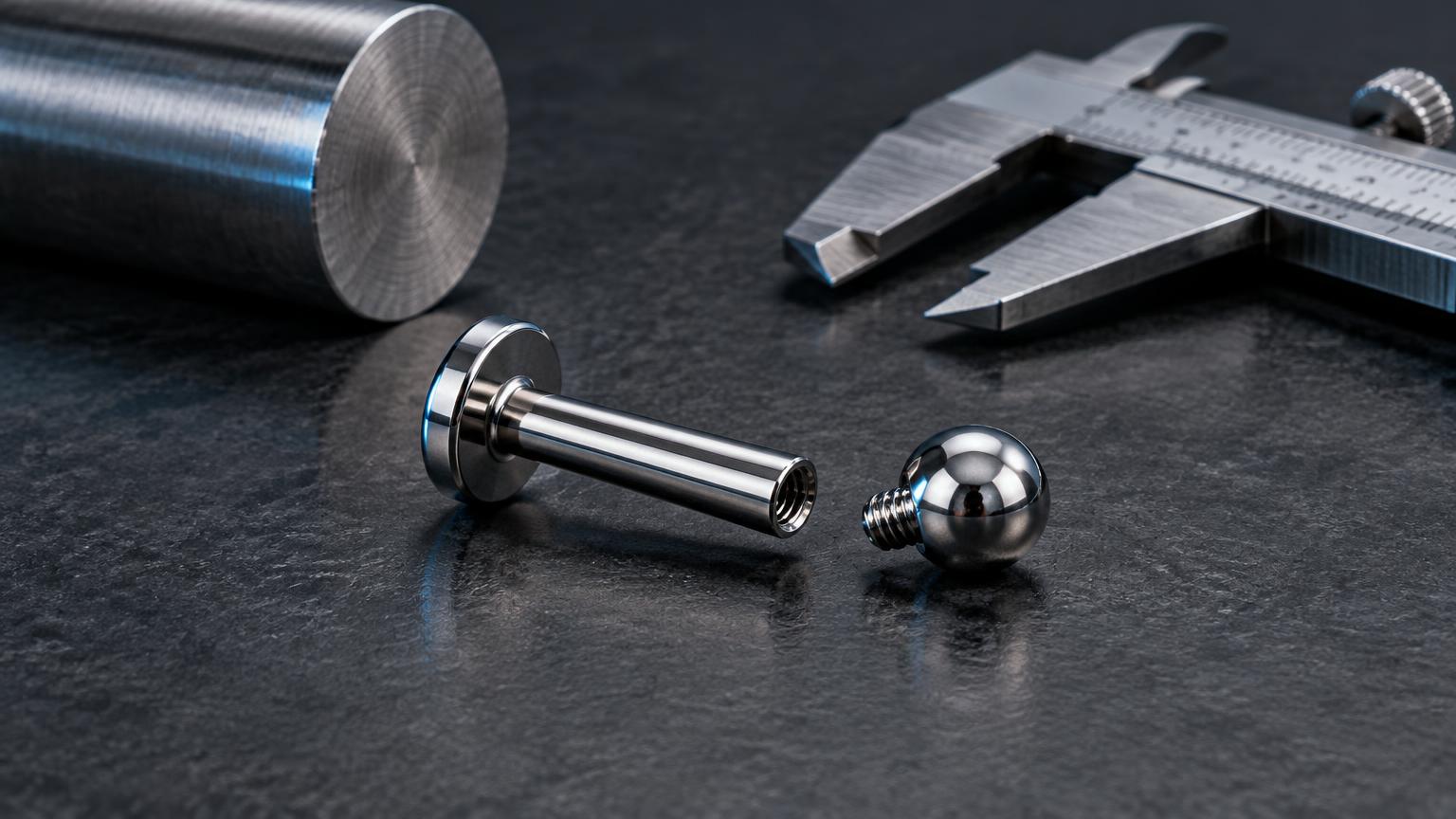
Anatomy of a jewel
What is not visible at first glance: surfaces, threading, closure systems, precision and production quality.
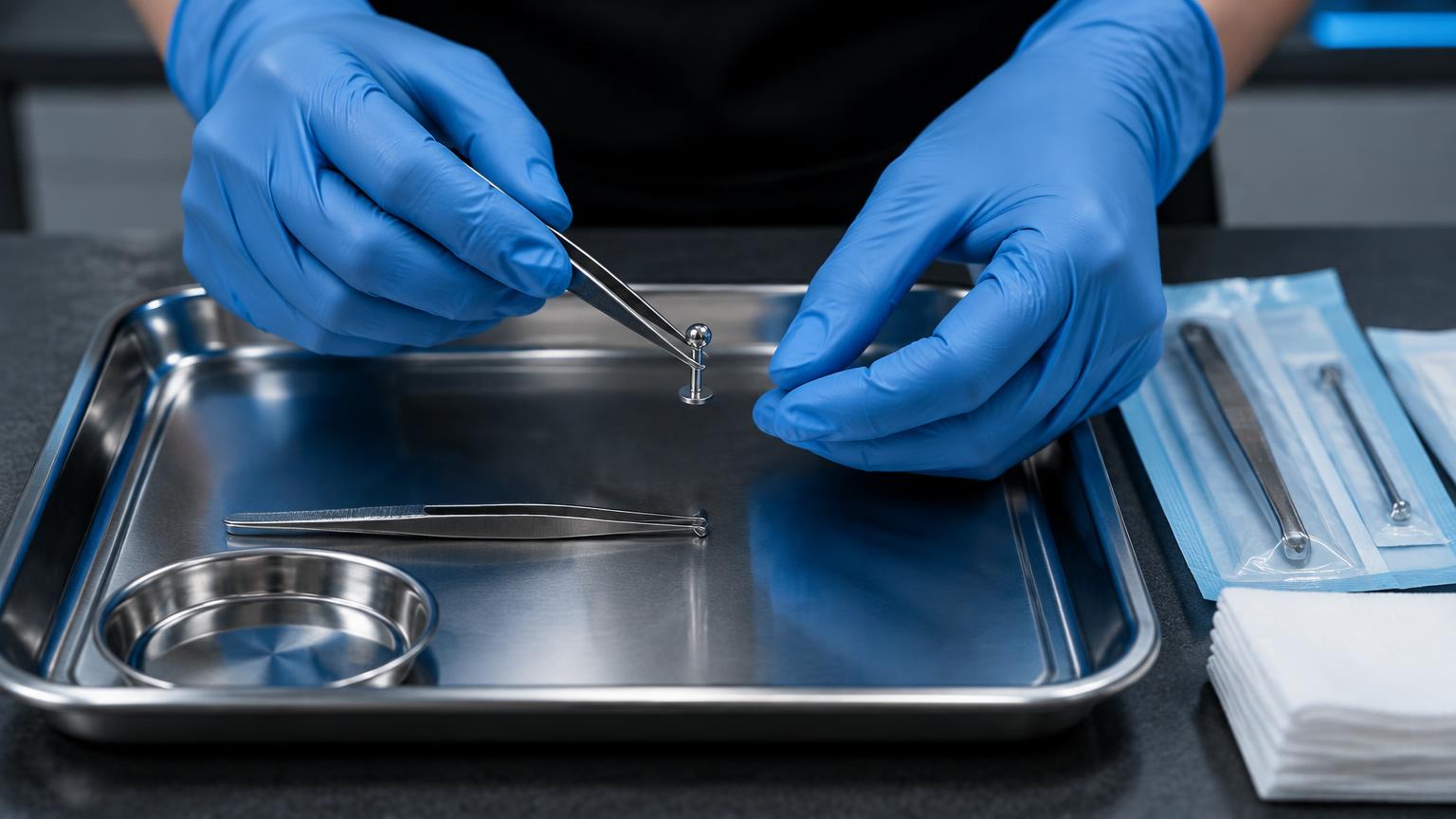
Art and responsibility
Anatomy, jewelry selection, hygiene and care: what we know and where the boundaries of technical knowledge lie.

Beyond the skin
Photography, performance, body art and contemporary interpretations of the transformed body.
AI-generated editorial image, not documentary.
02 / Archive
Stories, up close.
7 / 7
The serpent and the word: the Mexica gold labret
The serpent-shaped labret held at the Metropolitan Museum tells the story of the relationship between jewelry, political power and language in Mexica society.
From the margins to visual culture: modern piercing
From the experiments of the 1970s to contemporary culture: how Western body piercing developed techniques, communities and new languages.
The ear as composition: rhythm, light and proportions
From a single earring to an arrangement of several jewels: how shapes, empty spaces and proportions transform the aesthetics of the ear.
Titanium for piercing: the specification matters more than the name
Commercially pure titanium and alloys: ASTM standards, passivation, anodization and documentation requirements for body jewelry.
Inside a jewel: internal threading and threadless closures
A guide to the design of body jewelry closures: external threading, internal threading and press-fit systems, and their effects on construction.
A healing piercing: understand before taking action
Routine care, sterile saline solution, contact with jewelry and signs that require professional assessment.
The body as artwork and as presence
Between body art, identity and representation: how to read body modifications without reducing them to decoration or provocation.
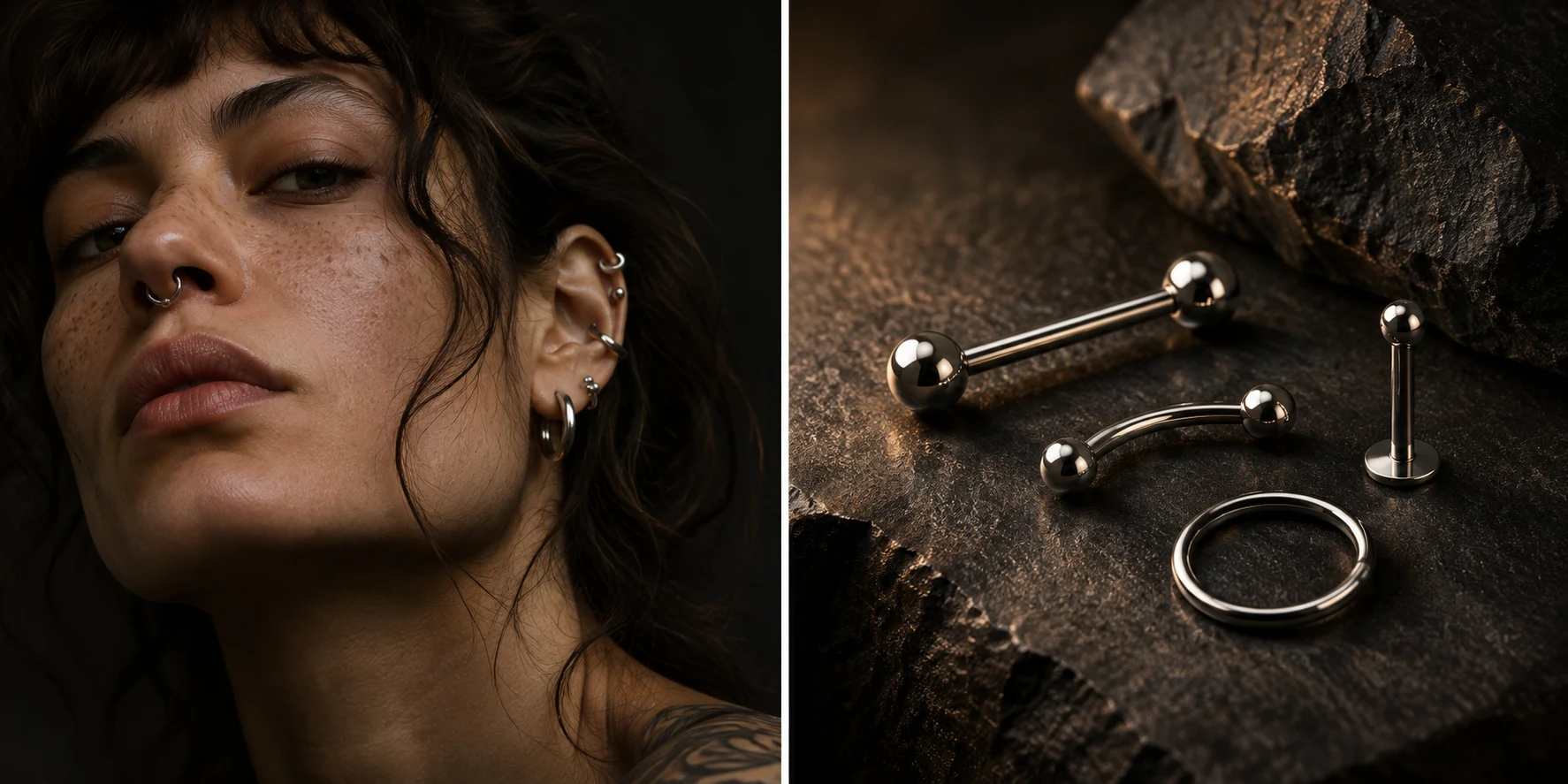
The body, beyond the surface.
The human body has never been merely a surface. It is a social presence: it is dressed, painted, adorned, represented and, in certain traditions, modified. Jewelry worn through a piercing belongs to this complex history.
BODY LANGUAGE follows the journey of objects and ideas, without assuming that a practice has an identical meaning everywhere. An ornament can be an expression of rank, a personal sign, part of a rite or an everyday aesthetic choice. Understanding these differences means respecting the history of the people who created and wore them.
Our curiosity does not stop at iconography. A jewel can also be studied through its shape, alloy, finish, closure system and relationship with the body. This is why the archive brings together anthropology, historical research, design, metallurgy and professional knowledge.
Every text begins with a question and acknowledges what we do not yet know. Because the story of an object becomes more interesting when it is accurate.
Brief glossary
Barbell — Jewelry with a straight post and ends that are typically removable.
Curved barbell — Barbell with a curved post; suitability and dimensions depend on placement.
Labret — Historical term for a lip ornament in various contexts; in modern jewelry, it often also refers to a post with a flat base.
Nostril — The lateral area of the nostril and, by extension, a piercing in that location.
Septum — Piercing of the nasal septum region; correct placement requires anatomical assessment.
Gauge — Measurement of the thickness of the post or jewelry.
Threadless — A system for securing the end without threading, using mechanical retention.
Internally threaded — Post with internal female threading, end with a small male screw.
Externally threaded — Post with external male threading.
Anodization — Electrochemical treatment that can change the thickness of the oxide layer on certain metals and produce optical color effects.
Mill certificate — A manufacturer's document certifying data and specifications relating to a particular material or batch.
Curated ear — Styling term for a selected arrangement of jewelry on the ear; it is not a medical category.
Body modification — A set of body modification practices, differing in technique, duration, social context and meaning.