
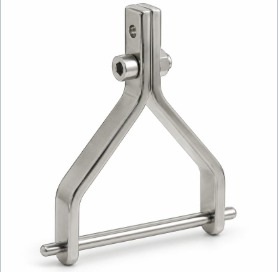
Body modification goes beyond traditional piercing: implants under the skin (subdermal), implants that pass through it (transdermal), suspension, which means suspending the body from temporary hooks, and temporary practices such as play piercing and corset piercing. These are advanced techniques that require experienced professionals, certified materials and dedicated equipment.
Subdermal implants
A subdermal implant is a shape placed entirely under the skin, creating a raised design on the surface: lines, spheres, stars, custom forms. Biocompatible materials such as medical silicone or implant-grade titanium are used. It is a procedure for an experienced professional, with anatomy and healing to be assessed case by case.
Transdermal and horn implants
A transdermal has a base under the skin and a part that comes out through the surface, onto which spikes, balls or interchangeable decorations are screwed. So-called horn implants create the effect of small horns, using subdermal or transdermal implants depending on the technique.
Body suspension
In suspension the body is lifted by hooks temporarily inserted into the skin and connected to a rig. It can be a ritual, a performance or a personal experience. The best-known positions are suicide (from the back), coma (from the chest), knee and superman (horizontal). It requires a trained team, sterile hooks and equipment designed to bear the load safely.
Play piercing and corset piercing
Play piercing uses sterile needles inserted for a short time and then removed: it is not meant to heal. Corset piercing is a row of surface piercings laced with ribbon like a corset; it is usually temporary, for photo shoots or performances.
Why only with professionals
These practices carry real risks: infection, rejection, scarring, tissue damage. Before any procedure check the law in your country and choose professionals with documented experience, certified materials and dedicated equipment.
- Certified, sterilised materials.
- Dedicated equipment, never improvised.
- An honest assessment of the recipient’s anatomy and health.